

Opinion
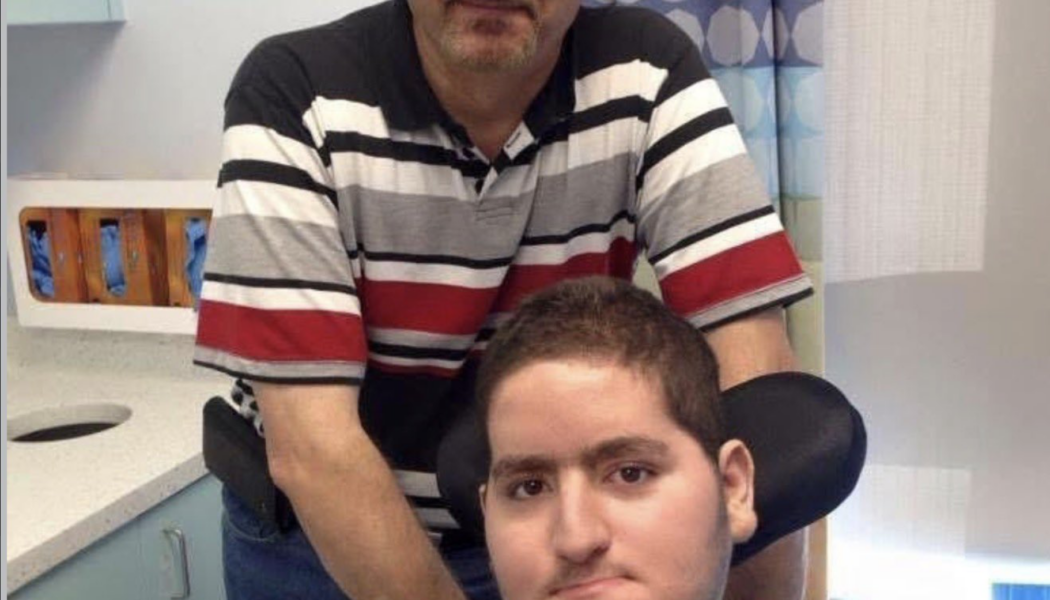

When the system takes the carer, the disabled person pays the price
From a hospital bed in Arlington, Texas, Wael Tarabishi asked for only one thing: the return of his father. His father, Maher Tarabishi, had been detained by U.S. Immigration and Customs Enforcement in late October during a routine check-in. He was Wael’s full-time carer and the person on whom his daily survival depended. Wael described the fear of losing him as “real and immediate”. Wael died on 23 January 2026 after more than a month in hospital. His story stays with me not because it is uniquely shocking, but because it exposes something deeply troubling about how modern immigration enforcement systems operate — and who they harm when compassion is stripped from decision-making. A system that doesn’t see dependency Wael lived with Pompe disease, a rare and progressive condition affectin...


iOS 26.3 will bring Notification Forwarding to the EU — the UK and others may be left waiting
Apple is currently testing a new feature called Notification Forwarding as part of the iOS 26.3 beta. On the surface, it looks like a small system-level change. In reality, it points to a potentially significant shift in how iPhones interact with third-party wearables. The setting is already visible in iOS 26.3 betas globally. Apple has said the feature exists to meet EU regulatory requirements, and current evidence suggests it is intended to be enabled first within the European Union once iOS 26.3 is publicly released — which is expected towards the end of January or early February. For users in the UK, and elsewhere, that distinction matters. Why iOS 26.3 Notification Forwarding exists Notification Forwarding is closely linked to the EU’s Digital Markets Act (DMA). The legislation requir...


Labour promised to fix the NHS. So why am I, a vulnerable housebound patient, still waiting for a flu jab?
Flu season has arrived early. BBC News reports a sharp rise in infections, prompting ministers and public health officials to issue their annual directive: get vaccinated now. Hospitals are already bracing for a gruelling winter, and the message to the vulnerable is urgent. Yet while the rhetoric is clear, the reality for those of us who cannot leave home is anything but. This winter, securing a flu or Covid vaccine as a housebound patient with muscular dystrophy has become a battle—one that has revealed not just a breakdown in local systems, but a troubling lack of national transparency. A broken system for housebound flu vaccines I am a registered patient at Victoria Medical Centre in Westminster, central London. Because I am housebound during the colder months, my vaccinations have alwa...
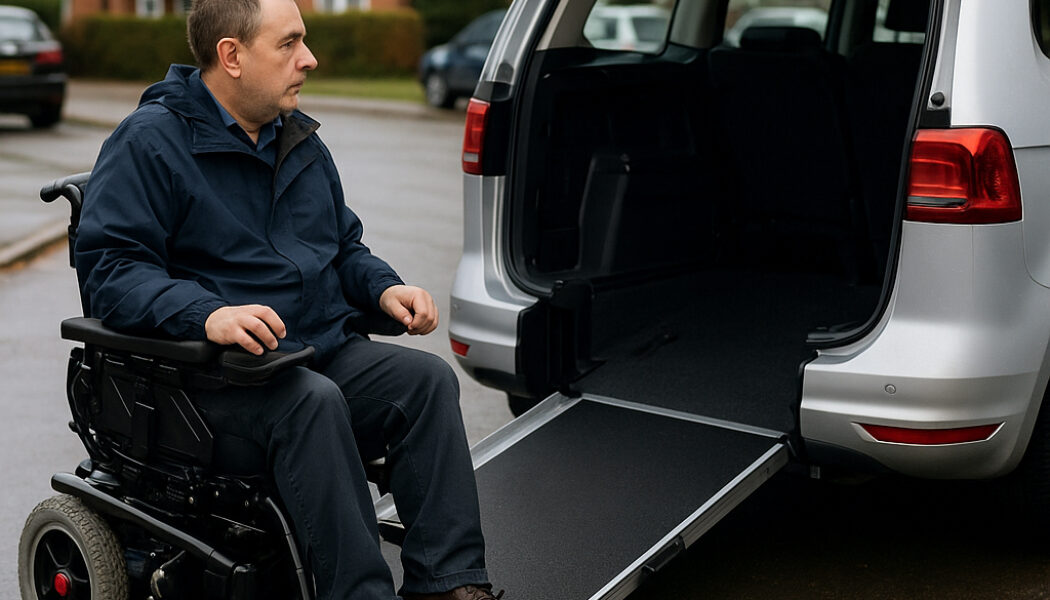

Budget 2025: Motability cuts that betray disabled people’s independence
The Autumn Budget delivered many of the usual headlines — duties rising on cigarettes and alcohol, eye-catching giveaways, and a handful of announcements clearly shaped for the early evening news. But beneath all that theatre came something far more damaging: the confirmation of significant Motability cuts, changes that strike at the heart of independence for thousands of disabled people. The government has confirmed that a range of so-called “luxury” vehicles will be removed from the Motability Scheme. On paper, it sounds minor. In reality, the move dismantles part of one of the UK’s most successful and respected social-policy achievements of the last half-century. Why the Motability cuts really matter The government is selling these restrictions under two banners: fiscal responsibility a...
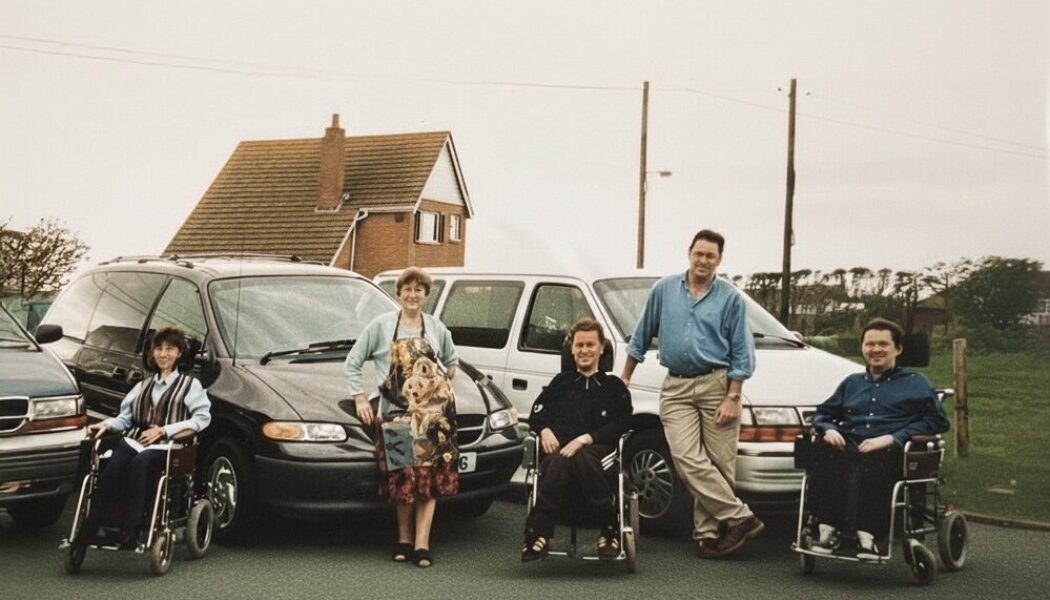

A picture paints a thousand words: why cutting Motability would be a betrayal
They say every picture tells a story. In this old family photo from the 1990s, I’m sitting outside our home in rural Wales with my brother Ian and sister Lyn. My brother Alan isn’t in the photo. Behind us stand three Chrysler Voyagers — wheelchair-accessible Motability vehicles that gave us the freedom to live, work, and stay connected with the world. All four of us were born with muscular dystrophy, a severe muscle-wasting condition that gradually weakens the body. Those cars weren’t symbols of luxury — they were symbols of independence. For over three decades, the Motability scheme has enabled around 815,000 disabled people to exchange their mobility allowance — such as the enhanced rate of PIP — for a leased car, scooter or powered wheelchair. Now, with Chancellor Rachel Reeves reported...


Apple’s Voice Control has stalled — but AI dictation is racing ahead
Last month I reported on a series of serious Voice Control bugs in macOS 26 that Apple quietly acknowledged but has yet to fix. You can read that piece here. The story struck a nerve because these weren’t minor quirks — they broke the core promise of Voice Control for people who depend on it to use their Macs hands-free. Frankly, it’s astonishing that Apple allowed these bugs to ship. The glitches are more than technical oversights; they’re symptomatic of something deeper — a feature that has stalled. Voice Control feels like it’s been left to drift, surviving largely for the small group of disabled people who rely on it, but getting little of the attention that once made Apple a leader in voice accessibility. Yet while Apple’s own tools languish, artificial intelligence is quietly reinven...


EU interoperability law forces Apple to rethink closed systems
The European Union’s recent ruling on interoperability under its landmark Digital Markets Act (DMA) is being framed as a privacy battleground by Apple. In a carefully worded post last week, the company warned that opening up iOS to third-party developers and accessories could lead to “unfettered access” to the iPhone, threatening the security and privacy of its users. But there’s another side to this story—one that hasn’t had enough airtime. For disabled people, especially those who rely heavily on hands-free and voice-first technologies, the EU’s push for interoperability is not just a regulatory intervention. It’s potentially transformative. The problem with Apple’s walled garden Don’t get me wrong—Apple has done more for accessibility than most tech companies. I use their devices and se...
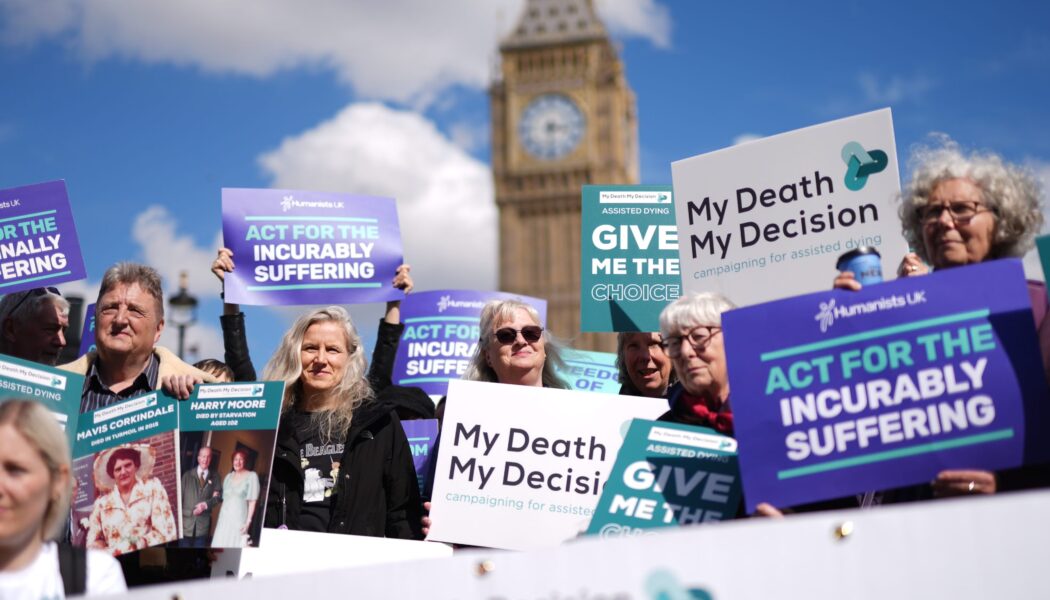

Why legalising assisted dying is a slippery slope we must avoid
MPs are about to vote on an issue that stirs deep emotion on both sides: the legalisation of assisted dying in England and Wales. As someone who lives with life-limiting muscular dystrophy, complicated by heart and respiratory failure, this debate is not an abstract one for me. It’s personal. When I was three, doctors told my parents I wouldn’t live past 16. When I reached 16, they said I wouldn’t live past 30. As I approach my 60th birthday, I am living proof of how unpredictable medical outcomes can be. And that’s the crux of my concern: how often doctors can get it wrong, and what that could mean if assisted dying becomes part of the state apparatus. Let me be clear: I fully understand why this debate is so fraught. No one wants to see anyone suffer through unbearable pain at the end of...


Apple Watch Series 10: a missed opportunity for disability inclusion
Yesterday, Apple revealed the highly anticipated Apple Watch Series 10, continuing its tradition of blending cutting-edge technology with sleek design. At the launch event, CEO Tim Cook proudly spoke about how the Apple Watch has “deeply impacted the lives of millions of people” by helping them stay active, healthy, and connected. This latest iteration pushes the envelope even further with new features like sleep apnea notifications. It’s yet another impressive leap forward in Apple’s mission to help people monitor their health and wellbeing, all from a device worn on their wrist. However, as a person with a severe physical disability, my excitement for the Apple Watch Series 10 was tempered by a sense of disappointment. While Cook’s words were undoubtedly inspiring, the event highlighted ...


A Motability-style scheme for technology can transform disabled lives
As the Paralympics in Paris captivate and inspire people around the world, the World Health Organisation (WHO) and the International Paralympic Committee (IPC) have launched the “Equipped for Equity” campaign, drawing attention to the urgent need for greater access to assistive technology. The WHO estimates that over 2.5 billion people globally need at least one assistive product, such as a wheelchair, hearing aid, or communication software. Shockingly, nearly 1 billion people lack access to these essential technologies. This global call to action serves as a poignant reminder that technology, which can empower and transform lives, remains inaccessible to millions worldwide. In the UK, despite being one of the wealthiest countries, many of the 16 million disabled people still find themselv...


Reforming social care: a top priority for Keir Starmer’s Labour government
As Keir Starmer entered 10 Downing Street with a strong mandate from the British public , there is a resounding call for substantial reforms across various sectors. Among the most pressing is the urgent need to overhaul the social care system. This system, as it stands, is broken and unjust, particularly towards disabled people and their carers. Starmer and his Labour Party must prioritise social care reform to deliver the change that voters desperately need and deserve. The dire state of social care The current social care system in England is failing its most vulnerable citizens. Disabled people face significant financial burdens due to care charges that can consume up to 40% of their income. Local councils, grappling with underfunding from central government, often refer unpaid care cha...


General Election 2024: who should disabled social care users vote for?
Update: This article has been updated to include the Green Party’s policies on social care. As a disabled person who relies on social care for the basics in life that many take for granted—such as help with getting out of bed in the morning, getting dressed, washed, eating, and going to the toilet—I have been charged hundreds of pounds a month by my local council for this essential help. Furthermore, means testing prevents me from saving for my future with a cap on the amount of savings allowed. With this unfairness in the forefront of my mind, it will come as no surprise that of all the various policies put forward by the main political parties at the General Election on 4th July, it is their policies on social care that are pivotal for determining my quality of life and access to essenti...
- 1
- 2