
Technology
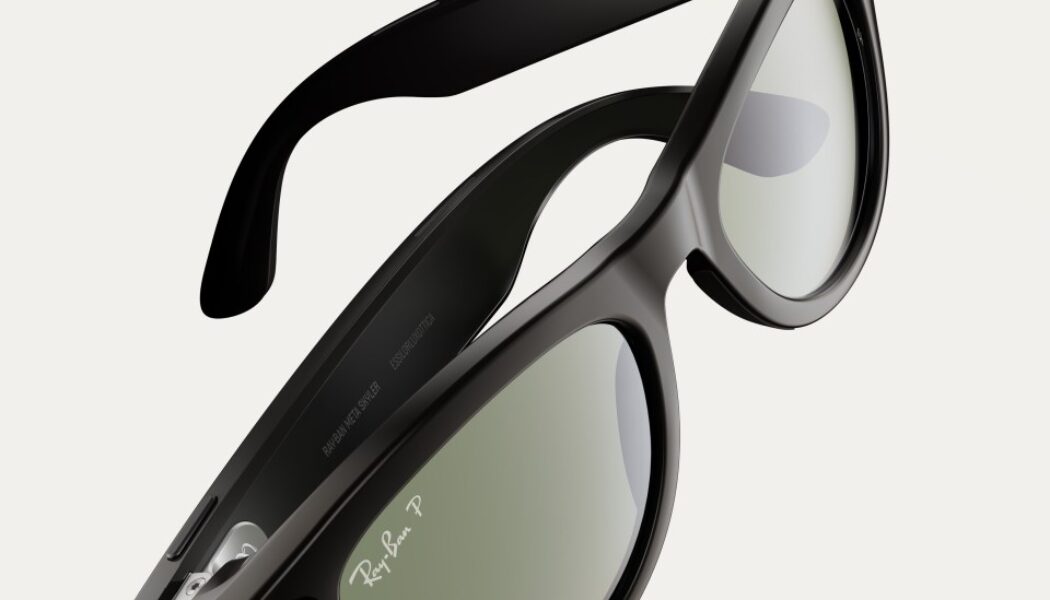

Meta’s smart glasses need reliability as much as new features
When I go out on my own in London, my Meta smart glasses help me feel safer. I can call someone, dictate a WhatsApp message or send a photograph to family and friends, all by voice. A video call can let someone see what I am looking at if I need help. I have muscular dystrophy and use a powered wheelchair. I cannot pick up a phone to make a call or turn my wrist to see and use a smartwatch, a limitation I have written about for The Register in relation to Apple Watch. Meta’s glasses let me do things for myself that would otherwise require somebody else’s help. As Meta Connect begins today, 23 September, new products and features will inevitably command attention. Keeping existing customers satisfied and giving prospective buyers confidence in the reliability of the glasses should be just a...
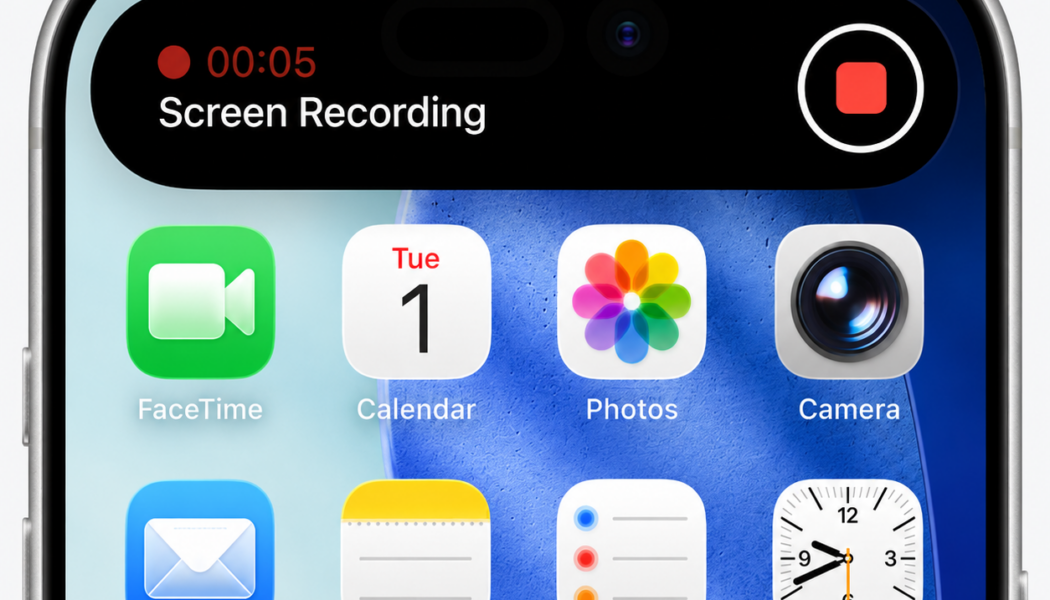

Why can’t Voice Control or Apple’s new Siri start an iPhone screen recording?
Taking a screenshot on an iPhone with Voice Control could hardly be simpler. Say “Take screenshot” and it happens. Starting a screen recording is very different. There is no equivalent direct Voice Control command. Siri cannot start one either, and Screen Recording is not available as an action in Shortcuts. For people with severe upper-limb disabilities, that leaves a surprisingly complicated route to a standard iPhone feature. A simple task that still depends on touch Apple’s official instructions for starting a screen recording require you to open Control Centre, select the Screen Recording button and wait for the three-second countdown. Apple Support: Record the screen on your iPhone On an iPhone with Face ID, opening Control Centre conventionally means swiping down from the top-right ...


At last, Meta’s smart glasses let me end calls on my own terms
In May, shortly before Global Accessibility Awareness Day, Meta announced that it was bringing a new set of hands-free call controls to its AI glasses. The company said people would be able to mute and unmute calls, turn their video on or off and hang up using Meta AI, without touching their phone or the glasses. The controls would work with calls on WhatsApp, Messenger, Instagram and Be My Eyes. Those features have now reached my Ray-Ban Meta glasses in the UK, and I have had the opportunity to use them. The supported commands include: “Hey Meta, mute.” “Hey Meta, unmute.” “Hey Meta, camera on.” “Hey Meta, camera off.” “Hey Meta, hang up.” “Hey Meta, end call.” Meta now lists these commands in its official guidance for AI glasses. They may sound like fairly ordinary additions. For me, th...
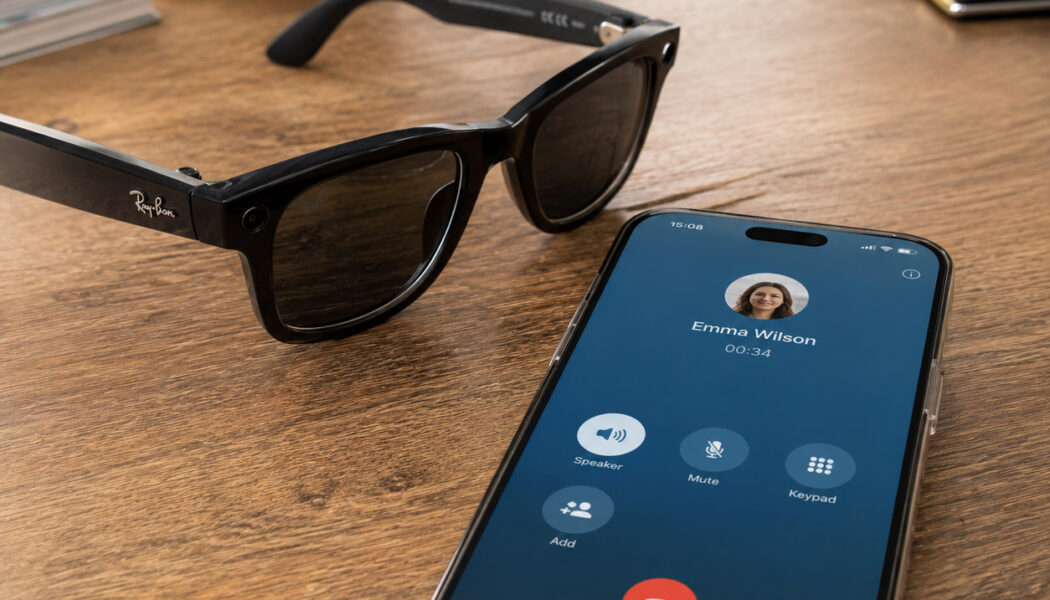

Meta’s new call controls show why voice-first smart glasses matter
Meta has announced new accessibility features for its AI glasses ahead of Global Accessibility Awareness Day, and two of them deserve particular attention. Soon, users will be able to manage calls on WhatsApp, Messenger, Instagram and Be My Eyes by voice. That includes muting, unmuting, turning video on or off, and hanging up without touching their glasses or phone. As with many Meta AI glasses updates, these features are rolling out and availability may vary by country, language, device and software version. The two most important additions are the ability to hang up by voice and to turn video on or off by voice during video calls. For many people, these will be useful conveniences. For disabled people with limited hand mobility, they are much more than that. They mean being able to end a...

Apple smart glasses must learn the right lesson from Ray-Ban Meta
Apple appears to be moving closer to its first smart glasses. Recent reporting suggests the company is working on an AI-led wearable, with Bloomberg reporting several frame styles and camera designs, and Reuters previously reporting that Apple planned smart glasses as part of a broader push into AI devices. Apple has not announced such a product, so timing remains speculative. But current rumours point to a possible reveal in late 2026 or 2027, with a release likely no earlier than 2027. A display-free, AI-led first version may sound cautious compared with the long-promised dream of full augmented reality glasses. I am not sure it is. I wear Ray-Ban Meta smart glasses every day, a display-free product that has already proved how useful this category can be. They are not a novelty for me, o...


Why Meta’s latest smart glasses announcement matters for accessibility
Meta announced on Tuesday that it is launching two new Ray-Ban smart glasses aimed at prescription wearers. The company says the new models support nearly all prescriptions and are designed to better serve people who rely on glasses throughout the day.In the US, the new styles start at $499. Alongside the hardware launch, Meta has also announced new AI features, including hands-free WhatsApp summaries and recall. That is the headline news. But the real accessibility significance runs deeper than a routine product refresh. Meta says its new prescription-focused styles are built around all-day wear, with fit features including overextension hinges, interchangeable nose pads and optician-adjustable temple tips. It also says the glasses come in two new frame designs, Blayzer and Scriber, with ...


Beyond the chatbox: why GPT-5.4’s computer use matters for accessibility
OpenAI has just released GPT-5.4, and GPT-5.4 computer use is one of the most interesting parts of the announcement. In practical terms, that means the model can inspect screenshots and return interface actions that software can execute, making it part of a wider shift from AI that simply writes text to AI that can help operate software. Imagine saying something like this: “Reply to John’s email, thank him for the document, and tell him I’ll review it tomorrow.” The near-future promise is obvious. An AI assistant could open your email client, draft the reply, insert the text, ask you to confirm, and then send it. That kind of task-driven workflow is exactly what makes GPT-5.4’s computer-use capability so interesting. But it is important not to overstate where things stand today. OpenAI’s o...

Ray-Ban Meta smart glasses must become true smart home controllers
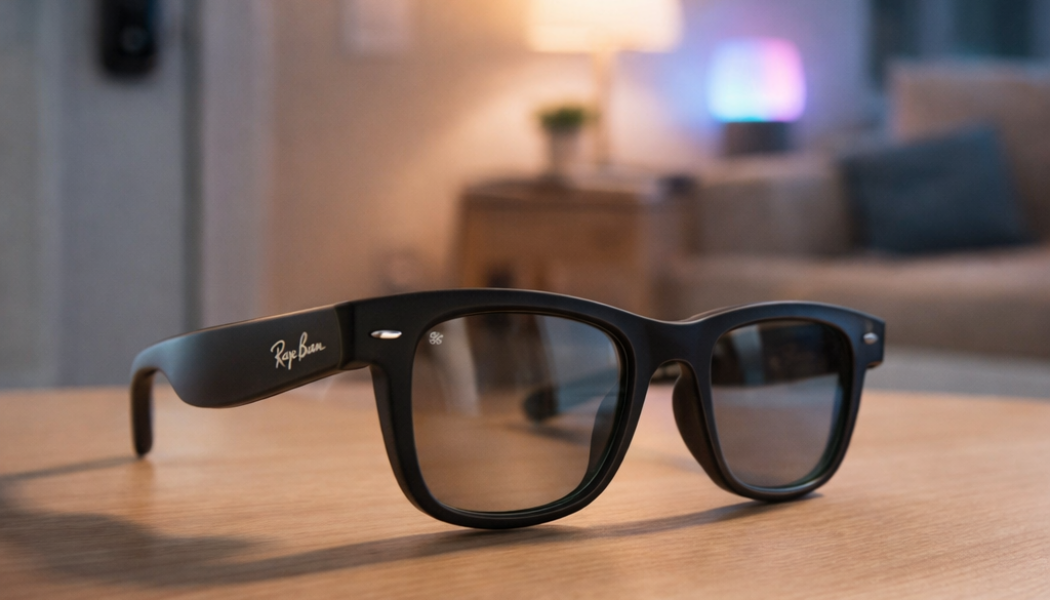
Ray-Ban Meta smart glasses are often presented as content tools — devices for creators capturing everyday moments. That framing is far too narrow. If Meta is serious about ambient computing and long-term mass adoption, then Ray-Ban Meta smart home control must become central to the product’s evolution – first by voice, and ultimately through the EMG Neural Band being developed in collaboration with the University of Utah. This is not about novelty. It is about autonomy. I have argued repeatedly on Aestumanda that the glasses should integrate with smart home systems — including the ability to open my own front door hands-free. The case has only grown stronger. From lifestyle accessory to assistive infrastructure A recent LinkedIn post from Bob Carter, CEO of University of Utah Health...

Meta’s rumoured Malibu 2 smartwatch could finally make wearables accessible
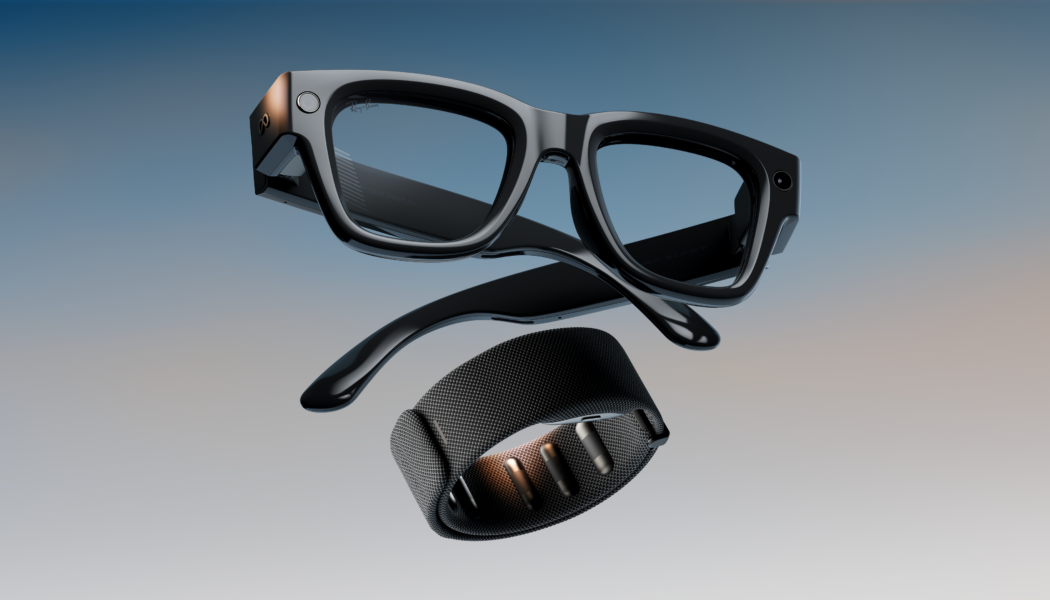
Meta is reportedly developing a smart fitness watch, internally codenamed Malibu 2. At first glance, this may sound like just another entrant into an already crowded wearable market dominated by Apple, Samsung, and Garmin. Fitness tracking, heart rate monitoring, notifications — these are well-established features. But Malibu 2 could represent something far more significant. If Meta integrates its emerging neural interface technology into a smartwatch, it could solve one of the most fundamental accessibility failures in modern wearable devices. For many severely disabled people, today’s smartwatches are not accessible at all. The invisible barrier: wrist raise The problem is deceptively simple. Every mainstream smartwatch relies on physical gesture. To wake the screen, interact with notifi...

Why the Meta AI app needs a physical and motor disability section for the company’s smart glasses
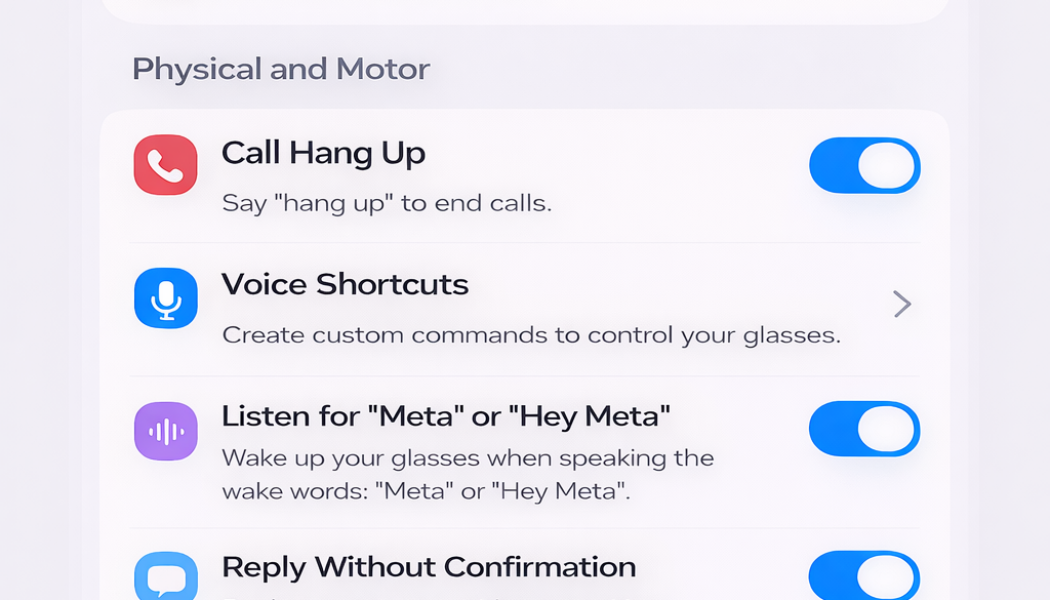
Ray-Ban Meta smart glasses have been life-transforming for me and for many others with severe physical disabilities. As the company’s smart glasses, they already show how powerful voice-first, wearable technology can be by removing the need to reach for a phone, press buttons, or interact physically with hardware. For me, that’s already meant being able to take my own photos and videos hands-free, using my voice alone. No phone to hold, no shutter button to press, no need to ask someone else. It’s a small interaction, but a deeply liberating one, and a clear example of what voice-first technology can make possible when physical barriers are removed. That level of independence already exists in the product itself, which is precisely why the limitations of the Meta AI app matter so much. An ...

EMG, smart homes and personal safety: a use case worth considering
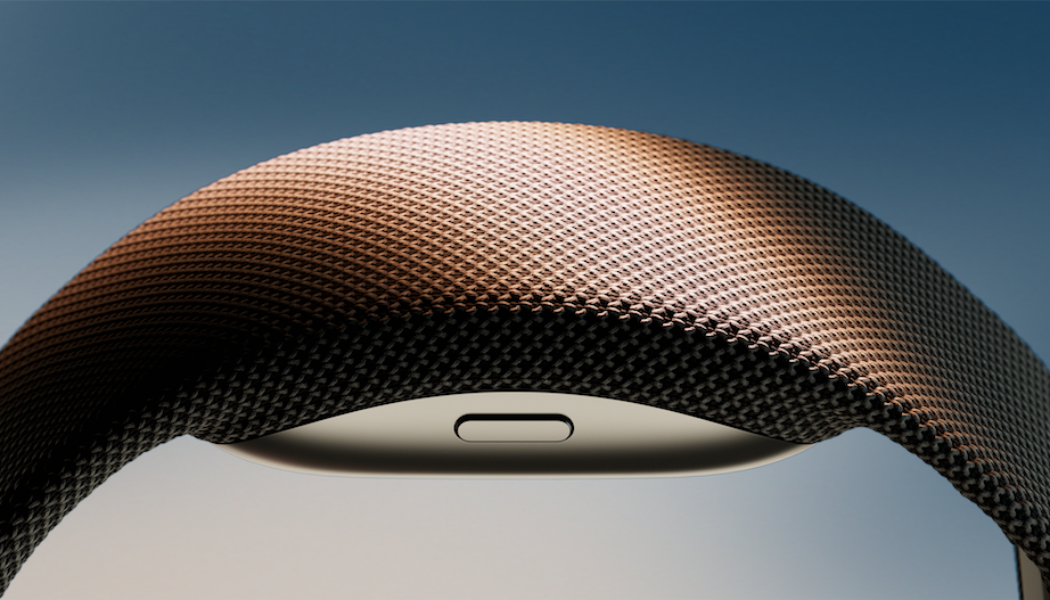
Earlier this month at CES 2026, Meta announced a new research collaboration with the University of Utah exploring EMG smart home control and how consumer-grade EMG wrist wearables could support people with different levels of hand mobility. Using the Meta Neural Band, the research will examine how electrical signals generated by muscles at the wrist can be translated into digital input. Importantly, this work is not limited to navigating smart glasses. The stated aim is to explore how custom EMG gestures could be used to control everyday devices such as smart speakers, blinds, locks and thermostats. As part of this work, the University of Utah team is also testing the precision of EMG input by using the wristband to steer the TetraSki, an adaptive ski designed for people with complex physi...


A new smart lock hints at what accessibility-first smart homes could become
The arrival of a new generation of hands-free smart locks, such as the Aqara U400, is one of those moments where a feature framed as convenience quietly reveals something much more important. Using Ultra Wideband (UWB) and Apple Home Key, the lock can unlock automatically as you approach with an iPhone or Apple Watch. It represents a shift toward Zero-UI interaction: there is no tapping, no Face ID prompt, no voice command, and no app interaction. You simply arrive at your front door, and it opens. For some people, that’s a nice quality-of-life upgrade. For others, it’s a glimpse of what truly accessible smart homes could look like. Why hands-free automation matters for accessibility Smart home accessibility is still too often reduced to voice control. Voice assistants have undoubtedly hel...