
Home » News » Google and Samsung’s AI glasses set for 10 December launch

Share This Post

News

Google and Samsung’s AI glasses set for 10 December launch

Google and Samsung's new Gemini-powered glasses promise hands-free assistance and smart-home control. But questions remain about WhatsApp, accessibility, fit and UK availability

Google and Samsung have confirmed that their Gemini-powered smart glasses will go on sale on 10 December 2026, with pre-orders opening on 12 November in the United States and South Korea. Called Intelligent Eyewear, the glasses bring Google back into a market dominated by Meta. Developed with Samsung and eyewear brands Warby Parker and Gentle Monster, they start at $395. There are nine frame styles in 30 variations: three from Warby Parker and six from Gentle Monster. Prescription and sunglass options are available. Unlike display-equipped augmented reality glasses, these models use a camera, microphones and open-ear speakers to make Gemini available through conversation. What can the glasses do? Wearers can say "Hey Gemini" to ask questions, make phone calls, respond to messages, take photos and record video. Gemini can describe objects, answer questions about what the camera sees and handle follow-up requests. Google Maps provides spoken directions, while live translation supports more than 70 languages. The assistant can also check calendars and summarise notifications. The hardware includes a 12-megapixel camera capable of 3K video, four microphones and two open-ear speakers. At around 41 grams, the glasses offer up to nine hours of battery life, extending to 72 hours with the charging case. Early hands-on reviews suggest Google has made a promising start. Writing for The Verge, Victoria Song found that Google's glasses coped with multilingual translation, linked visual information to Google Calendar and directions, and sometimes corrected their own mistakes. In a separate 9to5Google hands-on, Abner Li reported much faster voice responses than in an earlier demonstration, although he wanted more time to assess reliability. There are practical limitations. According to 9to5Google, photos transfer immediately to the paired phone, but videos wait until the glasses are charging, which could frustrate anyone hoping to share a clip quickly. Accessibility: promise and practical questions Google has given visual accessibility considerable attention. Guided Vision provides spoken descriptions of surroundings, text and objects for blind and partially sighted people. Integration with Aira allows wearers to connect to trained human visual interpreters through the camera. Google cautions that Guided Vision is not a replacement for mobility aids. Voice-controlled glasses could also make everyday life easier for people with limited movement in their arms and hands. I have used Meta smart glasses extensively and have been impressed by how accessible they can be. I can make calls, send messages, take photos and access information without picking up a phone. When you have very limited movement in your arms and hands, those abilities are far from trivial. WhatsApp is a particularly important consideration. I value being able to send messages and share photos and videos through Meta's glasses. Many people in Britain use WhatsApp every day; losing those functions would be a deal-breaker for me. Google has not confirmed equivalent WhatsApp support. Its existing Gemini integration on Android can initiate WhatsApp calls and text messages, but cannot send photos, audio or videos, and is unavailable in Gemini Live conversations. Can the new glasses take a photo and send it to a WhatsApp contact entirely by voice? We still do not know. Google does offer live video sharing through Google Meet, allowing someone on a call to see what the wearer sees through the glasses' camera. Meta already provides similar functionality through WhatsApp and Messenger. However, Google has not confirmed whether its glasses can share live video through WhatsApp, or whether a Google Meet call can be managed entirely by voice. Sharing a live camera view can be particularly useful for people with limited arm and hand movement. It allows someone remotely to see their surroundings, identify an object or help with a practical problem without the wearer needing to hold a phone. There is an encouraging possibility on the smart-home side. Android Authority reports that Gemini can control connected Google Home devices through the paired phone, including dimming lights. I would welcome being able to control my smart gadgets through the glasses without needing to operate my phone. Fit raises a further concern. Samsung confirms that the temples, or arms, are not adjustable on either eyewear collection. In my review of the Ray-Ban Meta Blayzer Optics, I explained how having the arms adjusted by an optician stopped the glasses sliding down my nose. I cannot simply reach up and reposition them, so a secure fit is essential. Google and Samsung offer different sizes, but non-adjustable temples could be another deal-breaker. Other questions remain. Can someone answer and end calls or adjust the volume entirely by voice? Has speech recognition been tested with people whose speech is affected by disability? How easy is it to operate the physical switch or charge the glasses without assistance? Which phones work? Despite using Android XR, the glasses support only specified Pixel 7 and later models, compatible Galaxy S and Z devices, and selected iPhones. Other Android brands, including Motorola, OnePlus and Xiaomi, are excluded at launch, as is Samsung's Galaxy A range. Guided Vision and Aira require a compatible Android phone initially, even though the glasses work with iPhones. For some buyers, needing a new phone would add substantially to the cost. Privacy, pricing and UK availability Google has also introduced measures intended to address privacy concerns. An external LED illuminates when photos or videos are saved, and safeguards disable camera capture if the indicator is obstructed or faulty. According to 9to5Google, the light remains off during Gemini visual queries, when images are processed rather than saved. Google says these queries are not stored in Gemini History or used for AI training or advertising. Bystanders' faces are obscured before processing, while the microphones are designed to focus on the wearer's speech and reduce background conversations. Warby Parker's glasses start at $395 and can be pre-ordered in the US. Gentle Monster's cost $449–$489 and are available for pre-order in the US and South Korea. Sales begin on 10 December. There is no confirmed UK release date or sterling price. Activation requires a Google account associated with a supported launch market, and users must be at least 18, making importing a pair less straightforward. Meta faces a serious challenge For Meta, the arrival of credible competition comes at an awkward time. My own experience of its smart glasses has been increasingly uneven over recent months, with microphone-quality problems, messages being cut short and UK English voice options repeatedly disappearing from the app. I have previously written about these reliability problems. They do not erase the substantial accessibility benefits I value, but the software experience has become frustratingly inconsistent. Meta deserves considerable credit for bringing smart glasses into the mainstream and demonstrating their potential for disabled people. Yet it now faces competition from Google and Samsung, backed by Gemini and a different approach to privacy and software integration. That competition is welcome. Meta needs to raise its game, particularly when it comes to reliability, accessibility and responding to problems experienced by existing customers. Google's glasses look promising, but their real test will come outside controlled demonstrations. For those who rely on voice control, consistent performance, reliable messaging and a secure fit will count for more than an impressive list of AI features.
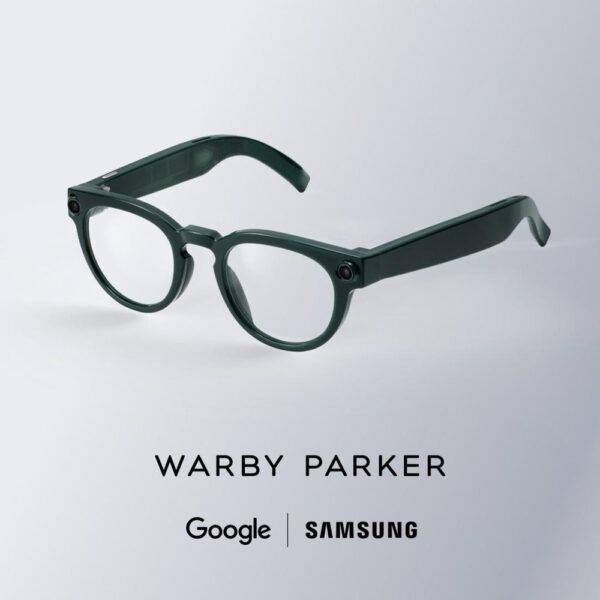
Samsung Electronics / Warby Parker

Google and Samsung have confirmed that their Gemini-powered smart glasses will go on sale on 10 December 2026, with pre-orders opening on 12 November in the United States and South Korea.

Called Intelligent Eyewear, the glasses bring Google back into a market dominated by Meta. Developed with Samsung and eyewear brands Warby Parker and Gentle Monster, they start at $395.

There are nine frame styles in 30 variations: three from Warby Parker and six from Gentle Monster. Prescription and sunglass options are available. Unlike display-equipped augmented reality glasses, these models use a camera, microphones and open-ear speakers to make Gemini available through conversation.

What can the glasses do?

Wearers can say “Hey Gemini” to ask questions, make phone calls, respond to messages, take photos and record video. Gemini can describe objects, answer questions about what the camera sees and handle follow-up requests.

Advertisement

Google Maps provides spoken directions, while live translation supports more than 70 languages. The assistant can also check calendars and summarise notifications.

The hardware includes a 12-megapixel camera capable of 3K video, four microphones and two open-ear speakers. At around 41 grams, the glasses offer up to nine hours of battery life, extending to 72 hours with the charging case.

Early hands-on reviews suggest Google has made a promising start. Writing for The Verge, Victoria Song found that Google’s glasses coped with multilingual translation, linked visual information to Google Calendar and directions, and sometimes corrected their own mistakes.

In a separate 9to5Google hands-on, Abner Li reported much faster voice responses than in an earlier demonstration, although he wanted more time to assess reliability.

There are practical limitations. According to 9to5Google, photos transfer immediately to the paired phone, but videos wait until the glasses are charging, which could frustrate anyone hoping to share a clip quickly.

Accessibility: promise and practical questions

Google has given visual accessibility considerable attention. Guided Vision provides spoken descriptions of surroundings, text and objects for blind and partially sighted people. Integration with Aira allows wearers to connect to trained human visual interpreters through the camera. Google cautions that Guided Vision is not a replacement for mobility aids.

Advertisement

Voice-controlled glasses could also make everyday life easier for people with limited movement in their arms and hands.

I have used Meta smart glasses extensively and have been impressed by how accessible they can be. I can make calls, send messages, take photos and access information without picking up a phone. When you have very limited movement in your arms and hands, those abilities are far from trivial.

WhatsApp is a particularly important consideration. I value being able to send messages and share photos and videos through Meta’s glasses. Many people in Britain use WhatsApp every day; losing those functions would be a deal-breaker for me.

Google has not confirmed equivalent WhatsApp support. Its existing Gemini integration on Android can initiate WhatsApp calls and text messages, but cannot send photos, audio or videos, and is unavailable in Gemini Live conversations.

Can the new glasses take a photo and send it to a WhatsApp contact entirely by voice? We still do not know.

Google does offer live video sharing through Google Meet, allowing someone on a call to see what the wearer sees through the glasses’ camera. Meta already provides similar functionality through WhatsApp and Messenger. However, Google has not confirmed whether its glasses can share live video through WhatsApp, or whether a Google Meet call can be managed entirely by voice.

Sharing a live camera view can be particularly useful for people with limited arm and hand movement. It allows someone remotely to see their surroundings, identify an object or help with a practical problem without the wearer needing to hold a phone.

There is an encouraging possibility on the smart-home side. Android Authority reports that Gemini can control connected Google Home devices through the paired phone, including dimming lights. I would welcome being able to control my smart gadgets through the glasses without needing to operate my phone.
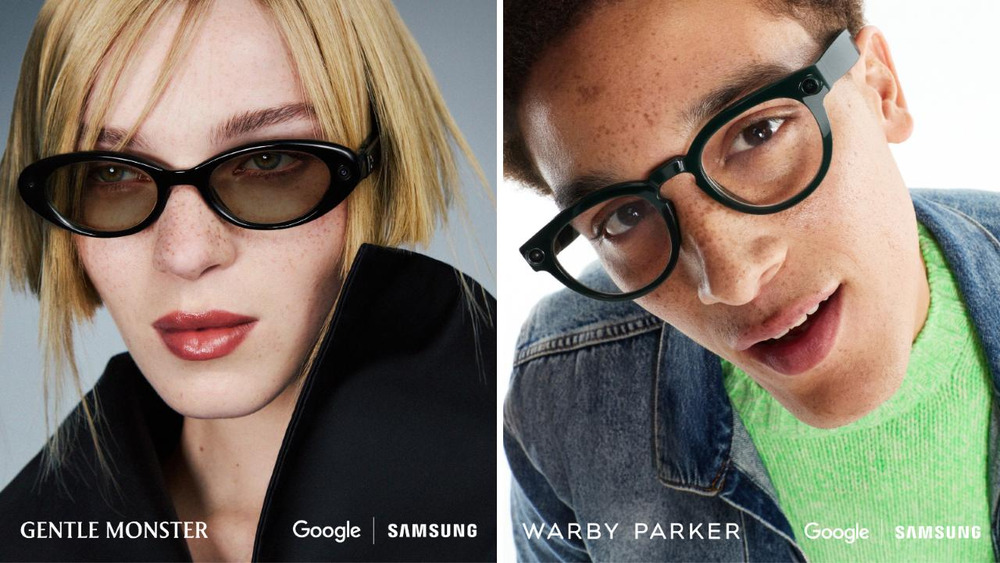
Models wearing Gentle Monster and Warby Parker smart glasses developed with Google and Samsung.

Samsung Electronics

Fit raises a further concern. Samsung confirms that the temples, or arms, are not adjustable on either eyewear collection.

In my review of the Ray-Ban Meta Blayzer Optics, I explained how having the arms adjusted by an optician stopped the glasses sliding down my nose. I cannot simply reach up and reposition them, so a secure fit is essential. Google and Samsung offer different sizes, but non-adjustable temples could be another deal-breaker.

Other questions remain. Can someone answer and end calls or adjust the volume entirely by voice? Has speech recognition been tested with people whose speech is affected by disability? How easy is it to operate the physical switch or charge the glasses without assistance?

Which phones work?

Despite using Android XR, the glasses support only specified Pixel 7 and later models, compatible Galaxy S and Z devices, and selected iPhones. Other Android brands, including Motorola, OnePlus and Xiaomi, are excluded at launch, as is Samsung’s Galaxy A range.

Guided Vision and Aira require a compatible Android phone initially, even though the glasses work with iPhones. For some buyers, needing a new phone would add substantially to the cost.

Privacy, pricing and UK availability

Google has also introduced measures intended to address privacy concerns. An external LED illuminates when photos or videos are saved, and safeguards disable camera capture if the indicator is obstructed or faulty.

According to 9to5Google, the light remains off during Gemini visual queries, when images are processed rather than saved. Google says these queries are not stored in Gemini History or used for AI training or advertising. Bystanders’ faces are obscured before processing, while the microphones are designed to focus on the wearer’s speech and reduce background conversations.

Warby Parker’s glasses start at $395 and can be pre-ordered in the US. Gentle Monster’s cost $449–$489 and are available for pre-order in the US and South Korea. Sales begin on 10 December.

There is no confirmed UK release date or sterling price. Activation requires a Google account associated with a supported launch market, and users must be at least 18, making importing a pair less straightforward.

Meta faces a serious challenge

For Meta, the arrival of credible competition comes at an awkward time. My own experience of its smart glasses has been increasingly uneven over recent months, with microphone-quality problems, messages being cut short and UK English voice options repeatedly disappearing from the app.

I have previously written about these reliability problems. They do not erase the substantial accessibility benefits I value, but the software experience has become frustratingly inconsistent.

Meta deserves considerable credit for bringing smart glasses into the mainstream and demonstrating their potential for disabled people. Yet it now faces competition from Google and Samsung, backed by Gemini and a different approach to privacy and software integration.

That competition is welcome. Meta needs to raise its game, particularly when it comes to reliability, and responding to problems experienced by existing customers.

Google’s glasses look promising, but their real test will come outside controlled demonstrations. For those who rely on voice control, consistent performance, reliable messaging and a secure fit will count for more than an impressive list of AI features.

Colin Hughes is a former BBC producer who campaigns for greater access and affordability of technology for disabled people

Leave a Reply